
–WHAT? Ideas have also been fed to us initially through TV & radio, brands would make an impact through catchy jingles and humorous advertisements. But social media changed the game. It took us 1000 years to get comfortable with the idea of taking a picture of our lunch and when we did, it spread like wildfire and now there are millions of pictures circulating all platforms of social media with Instagram at the forefront. Then followed ‘selfies’ which goes to show us that this basically is a cultural evolutional journey and a rapid one at that, in this context.
–WHY? Some ideas spread and others don’t. This boils down to the uniqueness of the idea because more than 95% of ideas are ignored by the public for numerous reasons ranging from being too bland to being unpractical. Take the instance of the ALS Ice Bucket Challenge which broke the internet in 2014, which was done to promote awareness of the ALS disease and went viral as people nominated their friends to dump a bucket of ice water on their heads within 24 hours and the cycle continued; however, if someone failed or forfeited the challenge they had to make a charitable donation as a penalty. Many others including ‘Salt Bae’ sprinkling salt on meat in a unique fashion saw Chef Nusret become a celebrity overnight, allowing him to then charge exuberant prices for his food in his restaurants.

–HOW? These ideas either spread organically or they are strategically meant to do so. For example music videos including ‘Gangnam Style’, ‘Hotline Bling’, ‘Party rock anthem’ and most recently ‘Kiki challenge’ all were intended to become popular dance moves thus increasing brand value of these artists.

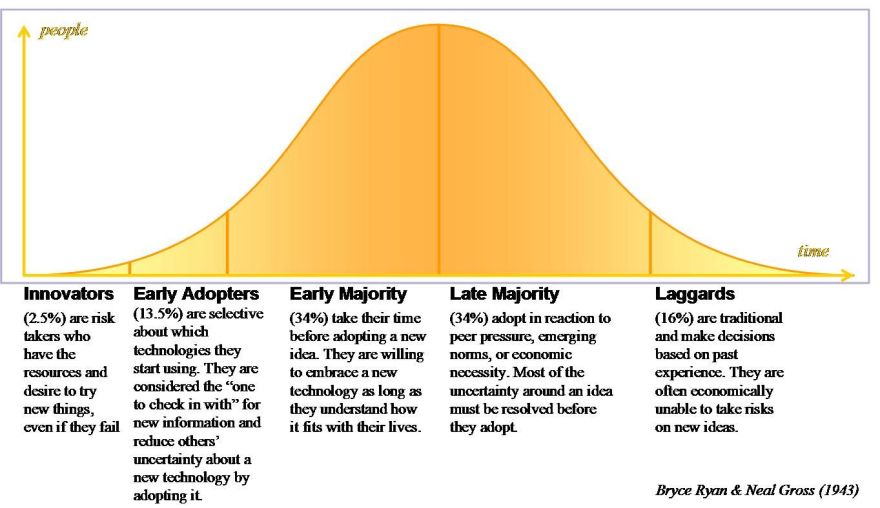
For simple understanding, there are 5 types of consumers
Unique New Idea Diffusion Strategies Currently Used by Companies
Earlier, companies would target the majority of the population ie, the Early Majority consumers and Late Majority consumers considered as the ‘mass market’. Often ideas would fail and investments would go down the drain but with the help of social media things are rapidly changing. Kickstarter is one example, this company is a global crowdfunding platform for new creative products/ideas who leverage social media to mainly target the innovators & early adopters in a strategy which involves these early users to organically promote the products through word of mouth recommendations to their close networks.
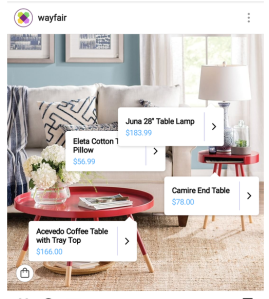
As discussed earlier, a new idea is like a spark but the spark needs to be a considerable one to catch on and spread like wildfire. A few more companies have managed to do this using unique strategies. Wayfair – Is a popular affordable furniture online retailer. Majority of their customers are on Instagram and initially faced a challenge of customers not being able to access their website through Instagram pictures. In 2017, Instagram shopping was introduced which allowed online retailers to tag specific products within a picture and Wayfair cashed in on this and the idea has really kicked on.
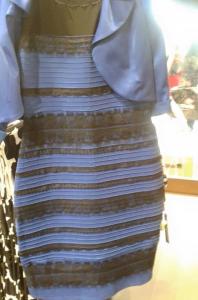
Now that we have seen what ideas are, why they spread and how they gain mainstream popularity, is this dress blue & black or white and gold ? 😉
 hashtagonlythetruth.home.blog